Experience a 10-day Antarctic expedition cruise from Ushuaia across the Drake Passage to the South Shetland Islands and Antarctic Peninsula, with an itinerary shaped by local conditions.
Request current dates and a personalized quote: Use the Ask via WhatsApp button to confirm departure availability, cabin categories, final per-person price and included services before booking.
Plan a once-in-a-lifetime Antarctic expedition from Ushuaia. Our Classic Antarctica Cruise follows a 10-day itinerary across the Drake Passage to the South Shetland Islands and Antarctic Peninsula. The daily program is flexible and depends on sea ice, weather and the expedition leader’s decisions.
Use the Ask via WhatsApp button above, or the enquiry form on this page, to ask about current sailings, cabin availability, the total per-person fare and what is included. If possible, mention your preferred travel month, number of passengers and cabin preferences. All departures, prices and inclusions require current supplier confirmation.
Arriving in Ushuaia? Check what your cruise package already includes before arranging airport transfers, accommodation, luggage storage or travel insurance separately. You can also use our Antarctica departure and arrival guide to plan the logistics around your voyage.
Day 1: Departure from Ushuaia
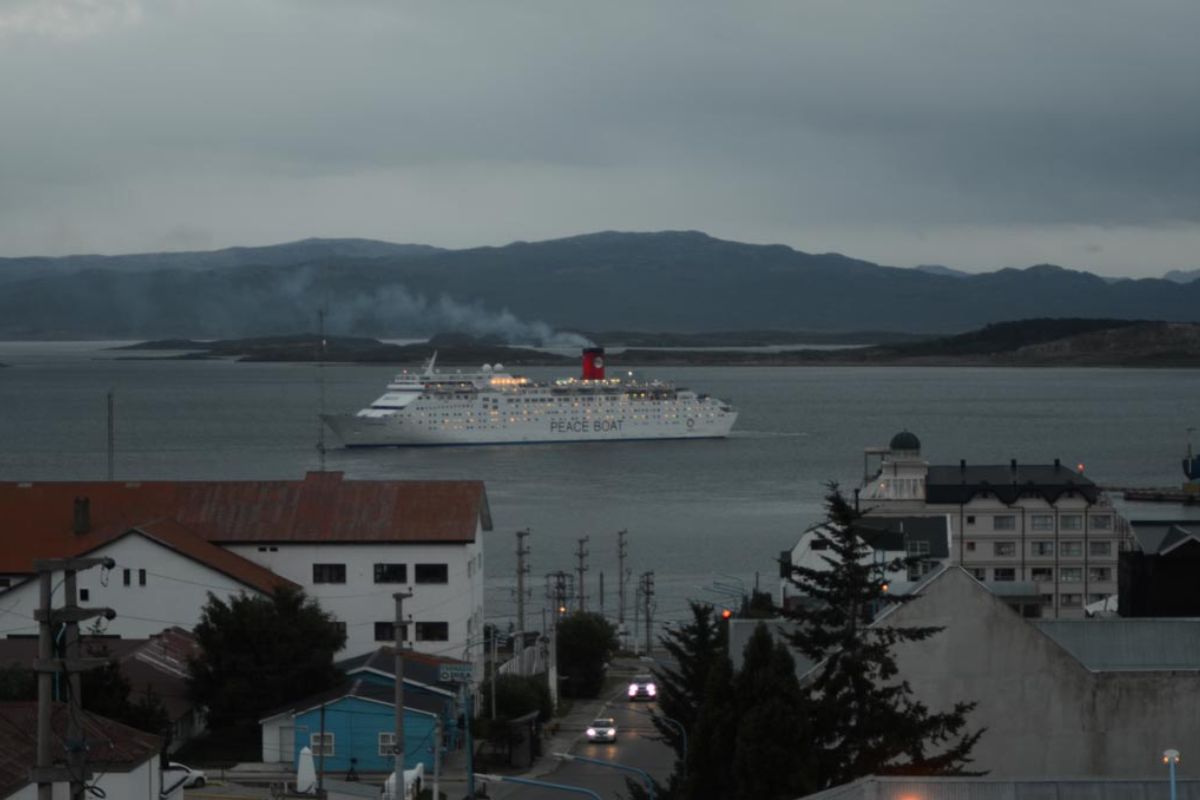
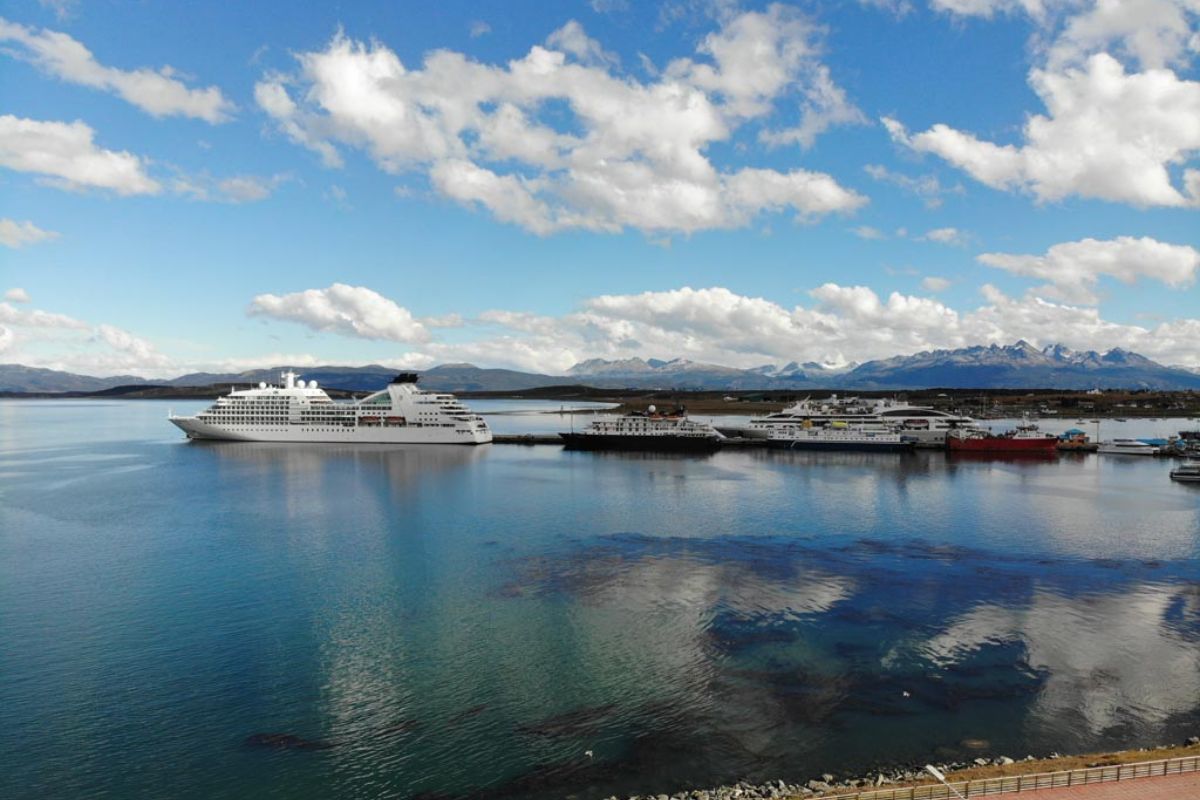
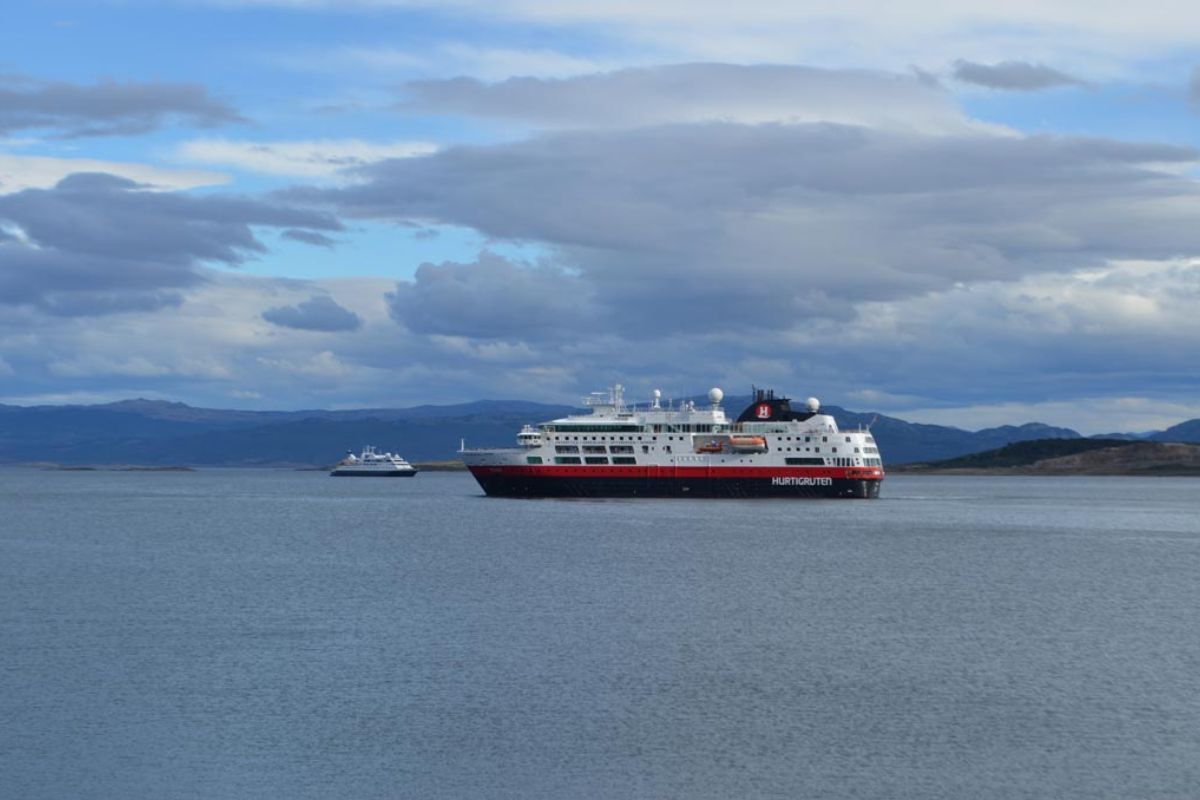
Board in the afternoon and meet the expedition team and onboard lecturers. Once you have settled into your cabin, the ship sails through the Beagle Channel and Mackinlay Passage.
Days 2 and 3: Crossing the Drake Passage
Named after the explorer Sir Francis Drake, who sailed these waters in 1578, the Drake Passage is part of the Antarctic Convergence. Here, cold polar waters meet warmer waters from the north, producing nutrients that support the region’s rich biodiversity.
The Drake Passage also marks the northern range of many Antarctic seabirds. During the crossing, the expedition team will be on deck to help you identify the wide variety of seabirds, including albatrosses that follow the USHUAIA.
The ship’s open-bridge policy allows you to join the officers on the bridge to learn about navigation, watch for whales, or simply enjoy the view. An extensive program of onboard lectures is also available.
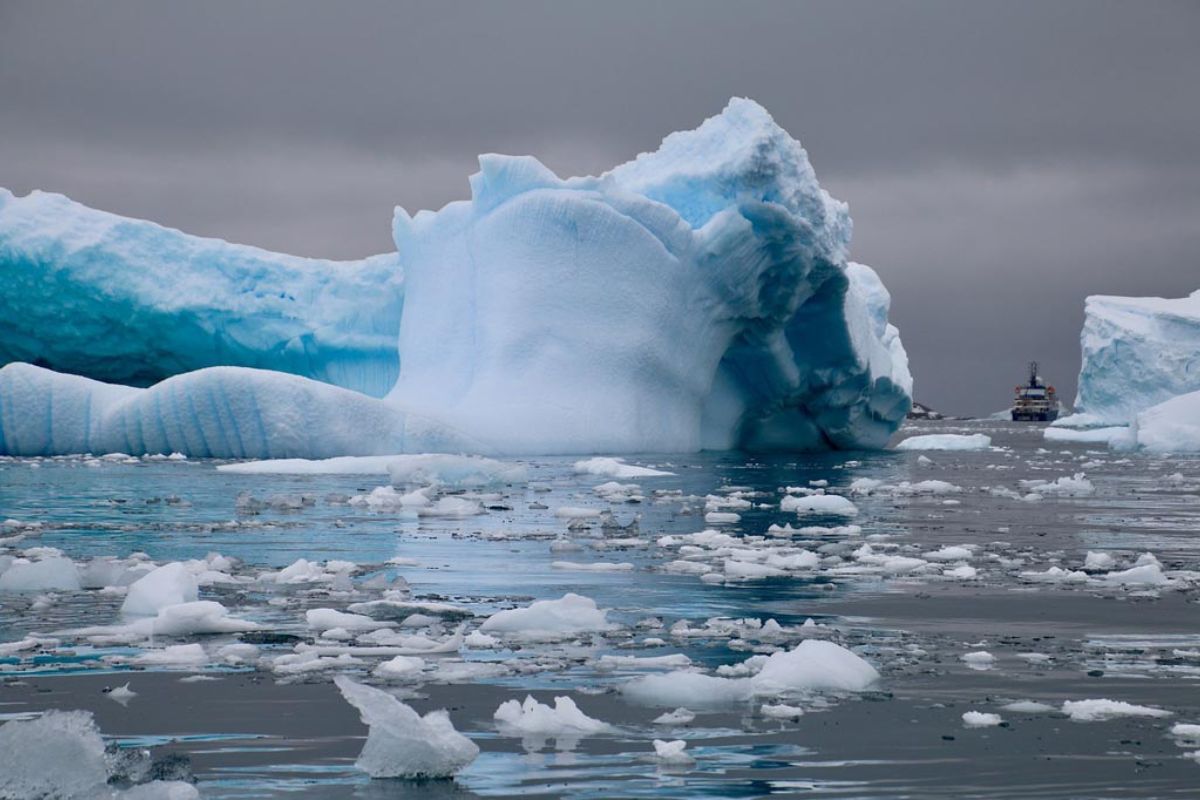
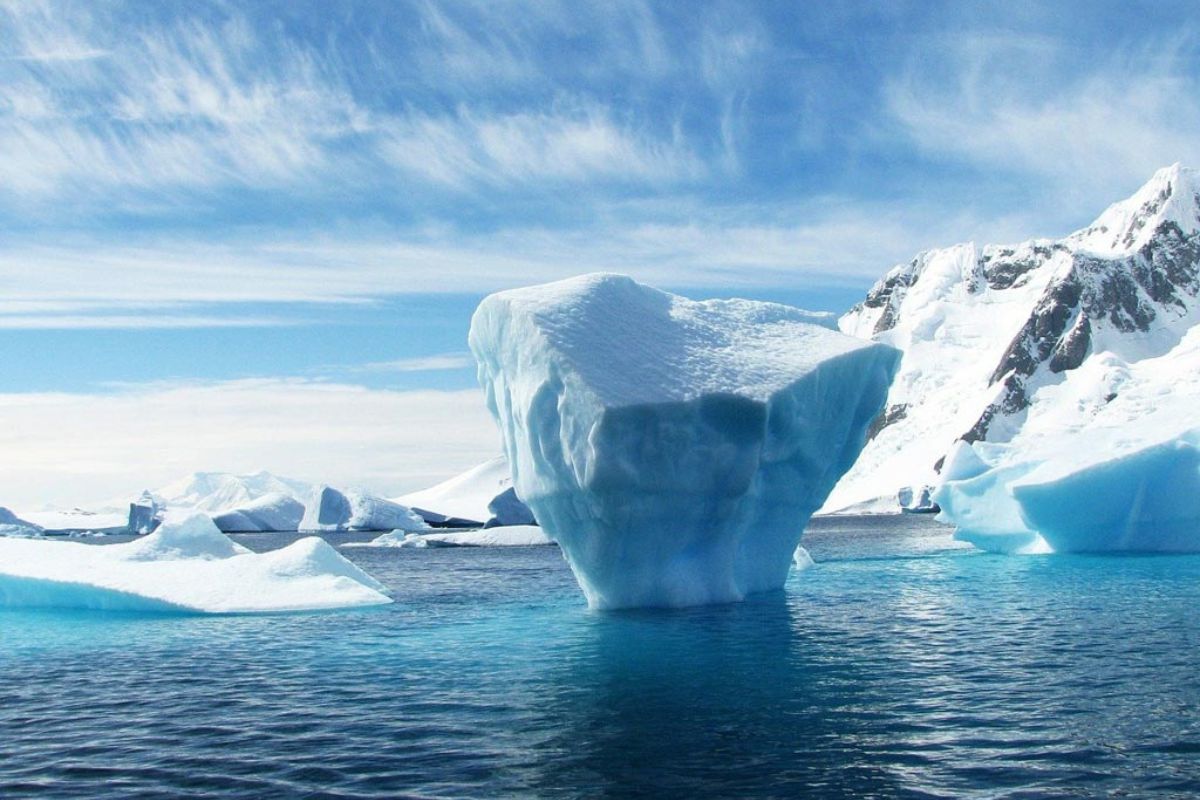
The first icebergs and snow-covered mountains signal our arrival in the South Shetland Islands, an archipelago of 20 islands and islets discovered in 1819 by Captain William Smith aboard the brig Williams. If conditions on the Drake Passage are favorable, the expedition team may guide your first landing on day three, offering the chance to encounter penguins and seals.
Days 4 to 7: Discovering the Antarctic Peninsula and the South Shetland Islands
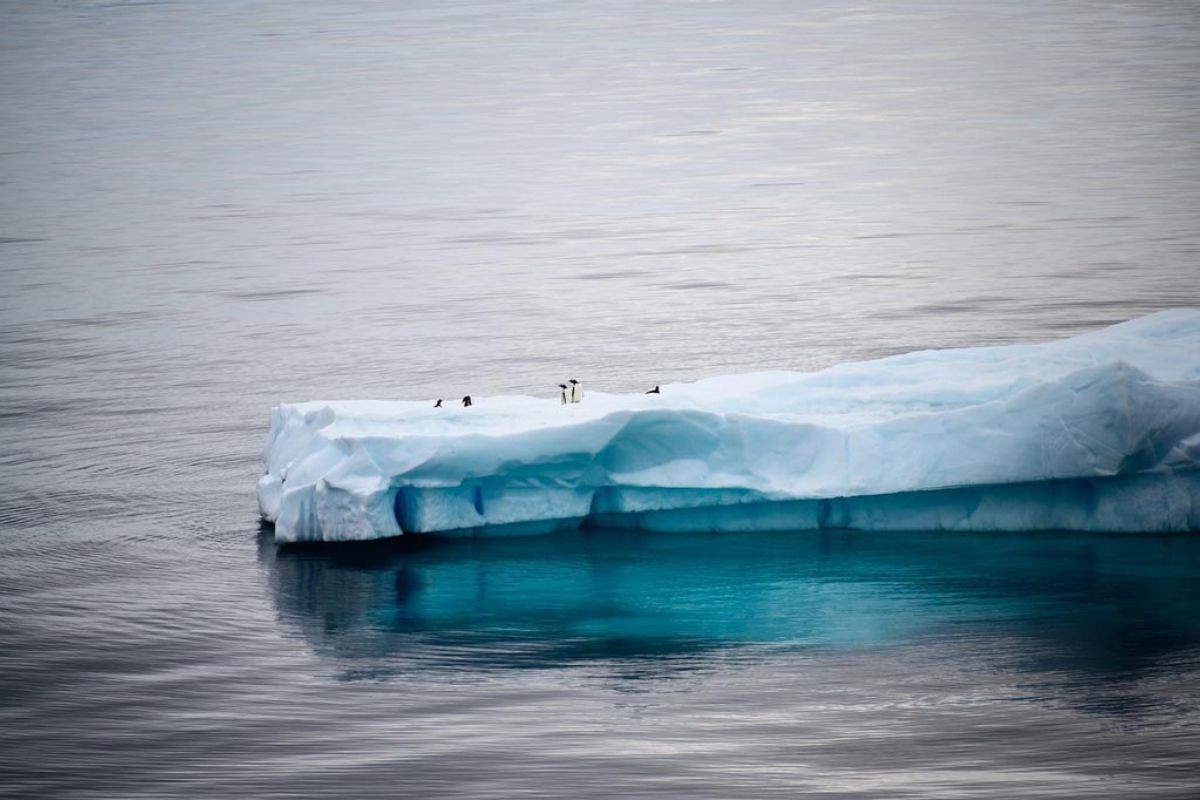
The South Shetland Islands are teeming with wildlife. Vast penguin colonies, beaches ruled by Antarctic fur seals and southern elephant seals make every day in this island group unforgettable. Cruising through the narrow passage to the flooded caldera of Deception Island is truly breathtaking.
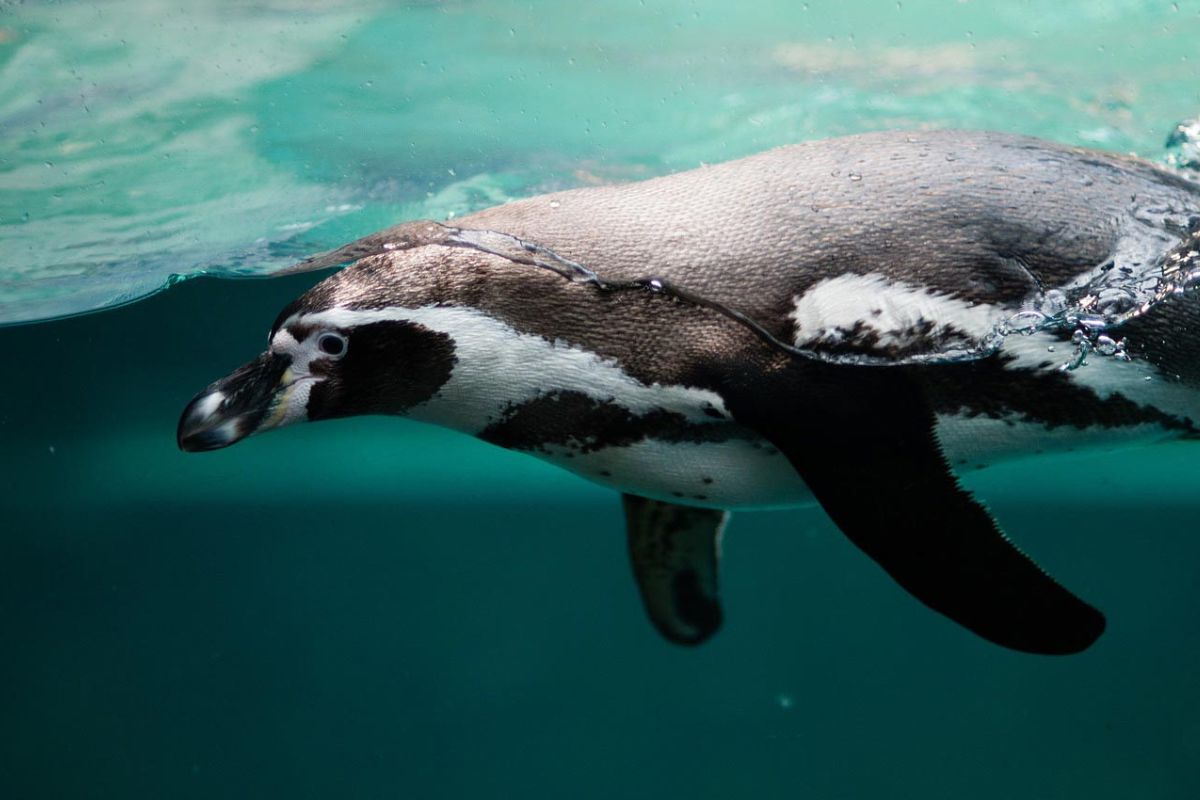
King George Island is the largest of the South Shetland Islands and is home to colonies of Adélie and chinstrap penguins, kelp gulls, imperial shags, Antarctic terns, and southern giant petrels. Scientific bases from various countries are also located here. Chinstrap penguins, golden-fronted penguins, gentoo penguins, and elephant seals await you on Livingston Island.
Learning about the remarkable history of the Antarctic Peninsula will thrill you in ways comparable to those of early explorers. You’ll have plenty of time to explore its incredible landscape—a pristine wilderness of snow, ice, mountains, and waterways—and its incredibly wide variety of wildlife. In addition to penguins and seabirds, you’ll also get up close to crabeater, Weddell, and leopard seals, as well as humpback, minke, and orca whales.
We hope to navigate some of the most beautiful channels, depending on ice conditions: the Gerlache Strait, Neumayer Channel, and Lemaire Channel are narrow passages between towering rocks and spectacular glaciers. We plan to make at least two shore excursions per day. Shore excursion sites may also include:
Paradise Bay, literally the best-named place in the world, is where we will attempt a proper descent to the mainland. After crossing the iceberg-strewn waters of the Antarctic Sound, we hope to visit the active colonies of Adélie penguins (more than 100,000 pairs breed here) and imperial cormorants on Paulet Island. The Nordenskjöld expedition built a stone shelter here in 1903; the ruins have now been overrun by penguin nests.
Other possible explorations could take us to the Melchior Islands, Cuverville Island, Portal Point, Neko Harbour, Pléneau Island, and if ice conditions permit, to Petermann Island to visit the southernmost colony of gentoo penguins.
Days 8 and 9: Crossing the Drake Passage
We’ll leave the Antarctic Peninsula and head north, crossing the Drake Passage. Join our lecturers and naturalists on deck as they search for seabirds and whales, and enjoy some of the final lectures. Take time to relax and reflect on the fascinating adventures of the past few days on the way back to Ushuaia.
Day 10: Arrival in the port of Ushuaia
We arrive in Ushuaia early in the morning. After breakfast, you disembark, bringing your Classic Antarctica expedition to an end.
Important itinerary note: The itinerary above is a guide only. The exact route and program may change to make the most of local weather, sea ice conditions, and wildlife-viewing opportunities. The captain and expedition leader will decide on any adjustments according to the conditions. A daily program will be posted on board. Flexibility is essential to a successful Antarctic expedition.
*LAST MINUTE fares are offered close to the ship’s departure date and are subject to availability. Prices are per person in a shared cabin.
Prices may vary by departure date and season.
TOLKEYEN PATAGONIA TURISMO S.A.U. Lic. E.V.yT.: Registration No. 11938, Ushuaia – Tierra del Fuego
The expedition includes landings at different sites on the Antarctic Peninsula and South Shetland Islands, guided walks with expert naturalists, wildlife viewing—including penguins, seals and whales—and sailing through channels surrounded by glaciers. On board, educational talks cover wildlife, geography and polar exploration history. The exact program depends on weather and ice conditions.
No previous expedition experience is required. The expedition team provides guidance during landings and onboard activities. Travelers should be in good general health and comfortable taking part in an active journey in a remote environment.


Visit analytics (Google Analytics and Microsoft Clarity) and advertising (Meta) are optional. You can change your choice at any time.


 Español
 Português

