
 Español
 Português

Five Fascinating Facts About Snow in Ushuaia
Categorías: What to do in Ushuaia
Five fascinating facts about snow in Ushuaia
Winter in Ushuaia is more than a white blanket over southern Patagonia. Snow influences how the mountains, forests and valleys look and which excursions can be enjoyed. Travellers come to Tierra del Fuego for skiing, winter sports and the atmosphere of the snowy End of the World.
Here are five features highlighted in the original Turismo en Ushuaia guide, with practical context to help you plan. Snowfall, texture and seasonal access vary each winter; none of these descriptions should be treated as a guaranteed daily forecast.

1. Ushuaia’s snow can be dry, compact and light
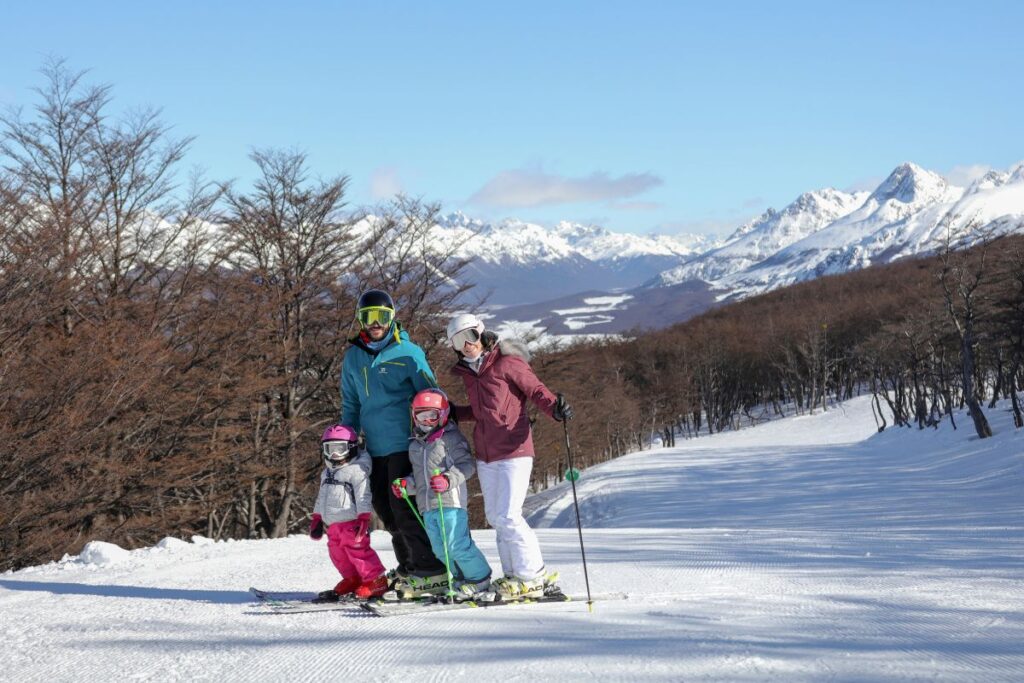
At low temperatures, snow can feel drier and more powdery than wet snow in milder conditions. When temperatures remain below freezing, some slopes retain favourable textures for skiing and snowboarding. This is one reason many winter travellers are interested in the Cerro Castor ski area.
The original article describes Ushuaia’s snow as generally drier than that of other Argentine destinations. In reality, snow quality depends on altitude, humidity, temperature and recent weather. Not every snowfall is dry, and ice or wet snow can also occur.


Depending on conditions, winter activities can include skiing, snowboarding, snowshoeing or cross-country skiing. Choose operators and equipment appropriate to your ability; compare the three-day Cerro Castor ski package and confirm what is included.
2. Snow can fall from May through October
Ushuaia’s cold season can extend across several months. The original guide mentions the first snow around May and possible snowfall through October. This is a seasonal pattern, not a promise of snow accumulation or operating ski lifts on any particular date.
Winter trips can include guided walks, snowmobile outings, sled activities and 4×4 routes where conditions permit. July is traditionally popular, but travelling in September or early spring may also provide winter scenery, depending on altitude and weather.

For a land-based tour, compare the winter 4×4 excursion to the Fuegian lakes, confirming road access and dates.
3. Deep snow can accumulate in the forest
Some sheltered or high-elevation areas receive substantial snow accumulation. The original article describes snow deeper than a metre in certain forests, including landscapes around Tierra del Fuego National Park and valleys such as Valle Hermoso. Actual depth depends on the location and year.
Deep snow transforms the forest into a memorable landscape, but it also creates hidden hazards, tiring walking conditions and possible avalanche exposure on suitable terrain. Activities such as backcountry skiing require specialist preparation; not every forest route is safe for ordinary visitors.


After a guided winter outing, many travellers enjoy warming up with a local meal. Traditional dishes include Patagonian lamb, stews and regional seafood, depending on the restaurant.
4. Snow changes colour as daylight shifts
One striking feature of winter photography is the way snow reflects its surroundings. In the morning or under cloud cover, it may appear bluish or cool-toned. Near sunrise or sunset, low southern sunlight can give it gold and orange shades.
Ushuaia’s mountains and the Beagle Channel create fascinating contrasts between white snow, dark water and shifting skies. The original guide associates some blue reflections with the channel; the exact colour depends on light, shadow and surrounding surfaces.


Even a city walk or a Beagle Channel sightseeing cruise offers chances to appreciate these changes when weather permits.
5. Every snowfall creates a different landscape
Sometimes light flakes settle evenly over the trees. On other days, wind moves snow into drifts and shapes the landscape. These changes can make a familiar route look completely different the next morning.
The difference is especially visible on trips towards Laguna Esmeralda, where forest, peatlands and mountain scenery change between seasons. The original article highlights the sense of discovery on each visit.


However, freshly covered trails can be difficult to follow, and conditions may require microspikes, snowshoes or other specialist equipment. Winter trekking should be planned with suitable guidance and real-time trail information.
Experience the snow responsibly
Snow is at the centre of the winter experience in Ushuaia: its colour, texture and depth reshape the mountains and forests. From scenic cruises to guided mountain excursions, there is more than one way to enjoy the region in cold weather.
Plan according to conditions, not assumptions about the season. Verify weather, access, equipment and activity availability, and choose experiences that match your interests and preparation.