

 Español
 Português
What to Wear in Ushuaia: Packing for Every Season
Categorías: Weather in Ushuaia, What to do in Ushuaia
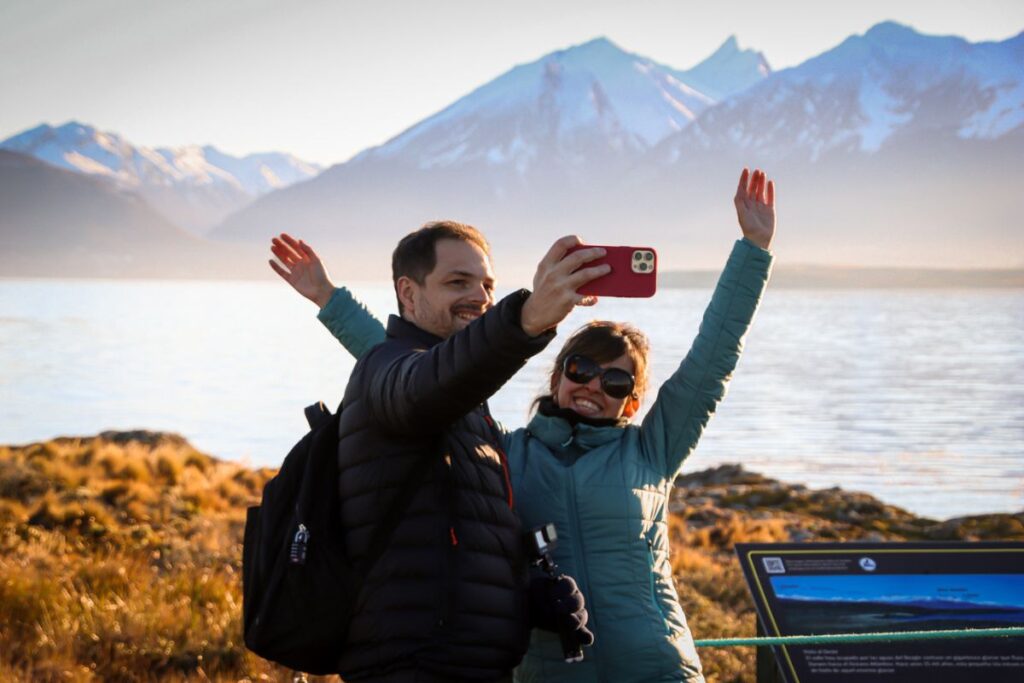
How to dress for Ushuaia without getting cold
One of the most common questions before travelling to the End of the World is what clothes to wear in Ushuaia. The southern climate and temperature changes can surprise even experienced travellers. It is worth packing a versatile wardrobe: in a single day, you might experience sun, wind, rain or snow, sometimes in quick succession.
Here is how to prepare for your visit to Ushuaia and Tierra del Fuego without filling your suitcase with unnecessary items.

Why clothing matters in Ushuaia
The weather varies considerably by season and can change within minutes. Since many activities take place outdoors, including visits to Tierra del Fuego National Park and mountain walks, it helps to be prepared for several conditions.
Temperatures and exposure can also differ between downtown Ushuaia and the countryside or mountain areas. Indoors, restaurants and shops are usually heated, so you might move from cold outdoor air to a warm interior within a few minutes.
Dress in layers: the best strategy
The easiest way to adapt is to dress in layers, like an onion. This lets you add or remove clothing as you move between conditions and activities.
- Base layer: thermal shirt and leggings close to the skin, designed to keep you warm and manage moisture.
- Middle layer: fleece or another insulating garment that keeps in body heat.
- Outer layer: a good windproof and waterproof jacket, ideally warm enough for your season and planned excursions.
Your outer jacket is particularly important because you will frequently put it on and take it off. Choose one that can cope with strong wind and rain. You do not necessarily need a large suitcase: a few practical, combinable pieces make travel easier.
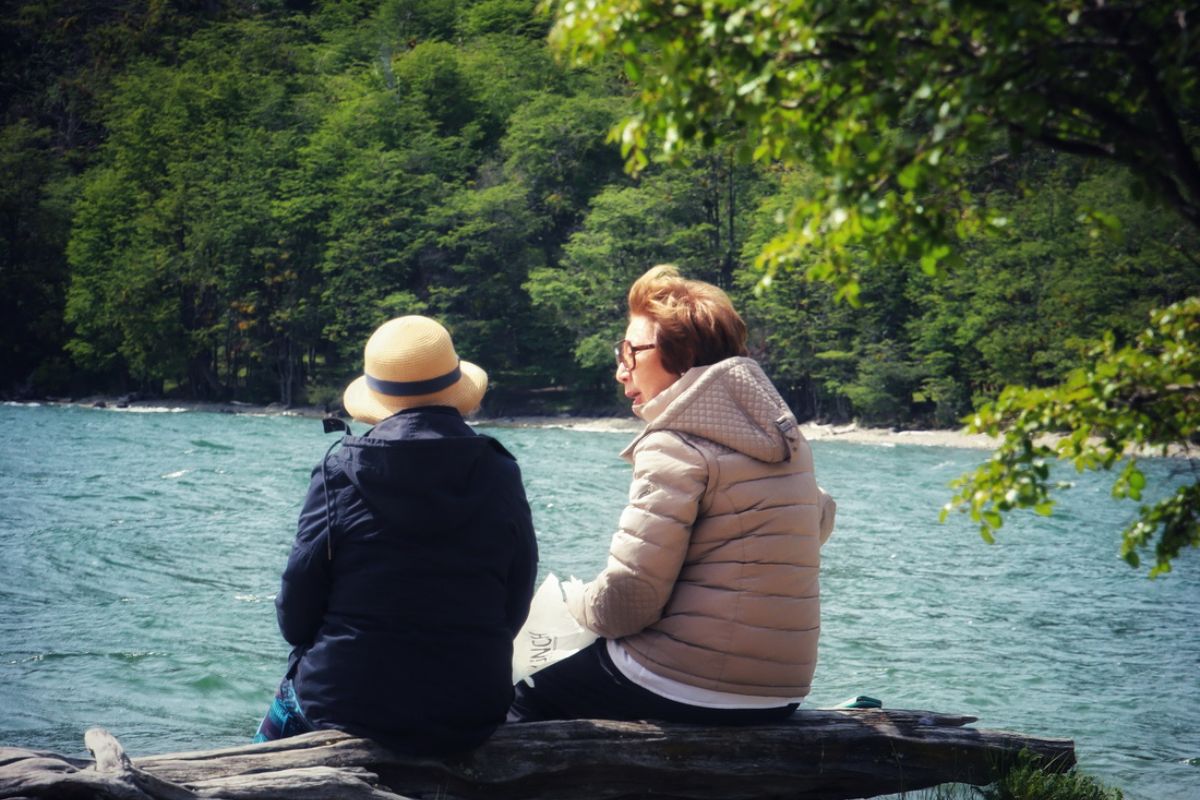
Choose comfortable, waterproof footwear
Footwear is essential. You might walk on city pavements, muddy trails, rocky paths and perhaps snow. The original recommendations emphasise comfortable, warm and waterproof footwear with a rubber sole for extra grip. For hikes, use proper trekking boots with dependable traction; everyday shoes may not be suitable for wet or slippery terrain.
Warm thermal socks are equally valuable. Pack at least one spare pair so that you can change quickly if your feet become wet or sweaty.

Accessories to bring to Ushuaia
A warm hat, scarf or neck warmer, and gloves are useful throughout the colder months and on windy excursions. Do not forget sunglasses and sunscreen: sunlight reflected from snow or water can be intense.
For guided tours and outings, take a small daypack with water, an extra layer and any personal essentials. A compact backpack is easy to overlook when packing but very useful during outdoor activities.

What if you plan to ski or enjoy snow activities?
For skiing and other winter sports, specialist equipment and clothing may be available to rent or buy in Ushuaia. The original guide mentions shops in the city centre and operators that can arrange delivery to your accommodation. Book equipment ahead when possible, particularly during busy winter weeks, and confirm sizing and availability.
If you plan to explore scenic viewpoints or observe wildlife, binoculars and a camera with a zoom lens are also useful accessories.
Plan your Ushuaia trip
Once your suitcase is sorted, you can compare accommodation in Ushuaia, browse excursions around Tierra del Fuego or explore Beagle Channel cruises. Plan according to your season, the weather and the activities you want to experience.
Frequently asked questions
Do I need a waterproof jacket even in summer?
Yes. Ushuaia’s weather can change quickly throughout the year; a windproof, waterproof outer layer is useful even during warmer months.
Can I rent winter clothing in Ushuaia?
The original guide mentions local rental services for winter equipment and clothing. Confirm availability, sizes and rental conditions before travelling.
Are regular trainers enough for hiking?
For mountain trails, suitable trekking footwear with a grippy sole is safer, especially where the ground is wet, muddy or uneven.